Home Owner
Why HVAC matters more in California than people assume, what to do if your coastal home never had central air, and the maintenance that actually protects the system once you own it.
NITU Path, Chapter 5: Settling In.
In short: California's coast built an entire housing stock around the assumption that AC was optional. That assumption is breaking down. Roughly a quarter of San Diego County homes and over half of Bay Area homes still have no air conditioning at all, and more owners are bridging the gap with portable units bought after a bad heat week. Portable AC is cheap upfront and expensive to run. A ductless mini-split costs far more to install but uses close to 60 percent less electricity, which matters a lot at California's rates. Whatever system you end up with, the actual maintenance that protects it is simple: change the filter monthly in peak season, get it professionally serviced twice a year, and don't ignore the warning signs.
I've started noticing something on listing walkthroughs that didn't used to be there. A window unit braced into a frame in a condo two blocks from the ocean, the kind of place that was built on the assumption that a sea breeze and an open window would always be enough. A portable AC parked next to the couch in a 1960s bungalow that's never had ductwork in its life. None of this used to be normal. It's becoming normal fast.
Why HVAC Matters More in California Than People Assume
A huge share of the state's housing stock genuinely wasn't built for heat. In San Diego County, roughly a quarter of homes still have no air conditioning at all, well above the national rate of homes without it. In the Bay Area, it's worse: just over half of San Francisco metro households, including Oakland and Berkeley, have no AC of any kind. These aren't outdated statistics from decades ago. This is where the housing stock is right now, in a climate that used to make AC feel unnecessary.
That assumption was reasonable once. It's less reasonable every year. Between 1985 and 2015, AC ownership in Southern California Edison's coastal service territory climbed 36 percentage points, faster than the desert regions where AC was always assumed. Even with that jump, coastal ownership still trails desert ownership by a wide margin, which tells you how much room is left to close. Heat waves that used to be rare inland events are increasingly reaching neighborhoods that never had a reason to prepare for them.
Cost is the other half of the story, and it cuts the wrong way. California's average residential electricity rate runs around 36 cents per kilowatt-hour, roughly 74 percent above the national average. That means the years when cooling matters most are also the years when running it costs the most, which is exactly the affordability squeeze a lot of California homeowners are quietly navigating right now.
And heat isn't the only reason your HVAC system matters here. Wildfire smoke season is now a predictable part of the California calendar, and a working, well-filtered HVAC system is one of the more effective tools for keeping that smoke out of your indoor air. The EPA recommends upgrading to a MERV 13 filter or higher during smoke events specifically because it captures the fine particulate matter that a standard filter lets straight through.
If Your Home Doesn't Have Central Air, What the Options Actually Look Like
Portable AC units are the fastest fix, and the most expensive to run. They cost roughly $350 to $700, need no professional installation, and can be up and cooling within about ten minutes of unboxing. The tradeoff shows up on the electricity bill. A portable unit typically burns around 2,400 kilowatt-hours a year. At California's average rate, that's roughly $864 a year just to run it.
Ductless mini-splits cost far more upfront, and far less to operate. A professionally installed mini-split typically runs $4,300 to $10,500 all in, well beyond a portable unit's price tag. But it uses roughly 1,000 kilowatt-hours a year, close to 60 percent less electricity than a portable unit, which works out to around $360 a year at California rates. That's a $504 annual gap in favor of the mini-split. Purely on electricity savings, without factoring in any rebate, that extra upfront cost pays itself back in a little under eight years. Vendors selling mini-splits often quote a faster payback of three to five years, but that number usually assumes a rebate is available, which isn't guaranteed right now.
Mini-splits also last longer and handle both directions. A well-maintained mini-split typically runs 15 to 20 years, compared to 7 to 10 for a portable unit, and most models handle both cooling and heating, which a portable AC unit doesn't.
Where the Rebates Actually Stand Right Now
It's tempting to assume a state rebate will cover a chunk of a heat pump or mini-split installation, since California has pushed hard on electrification incentives. As of the most recent program updates, TECH Clean California's single-family heat pump incentives are fully or nearly reserved statewide, and the related HEEHRA rebate program has also hit its statewide reservation cap, with waitlists running in some regions. Worth checking current status directly before budgeting around a rebate that may not be available when you're ready to install.
The Maintenance That Actually Protects Whatever System You Have
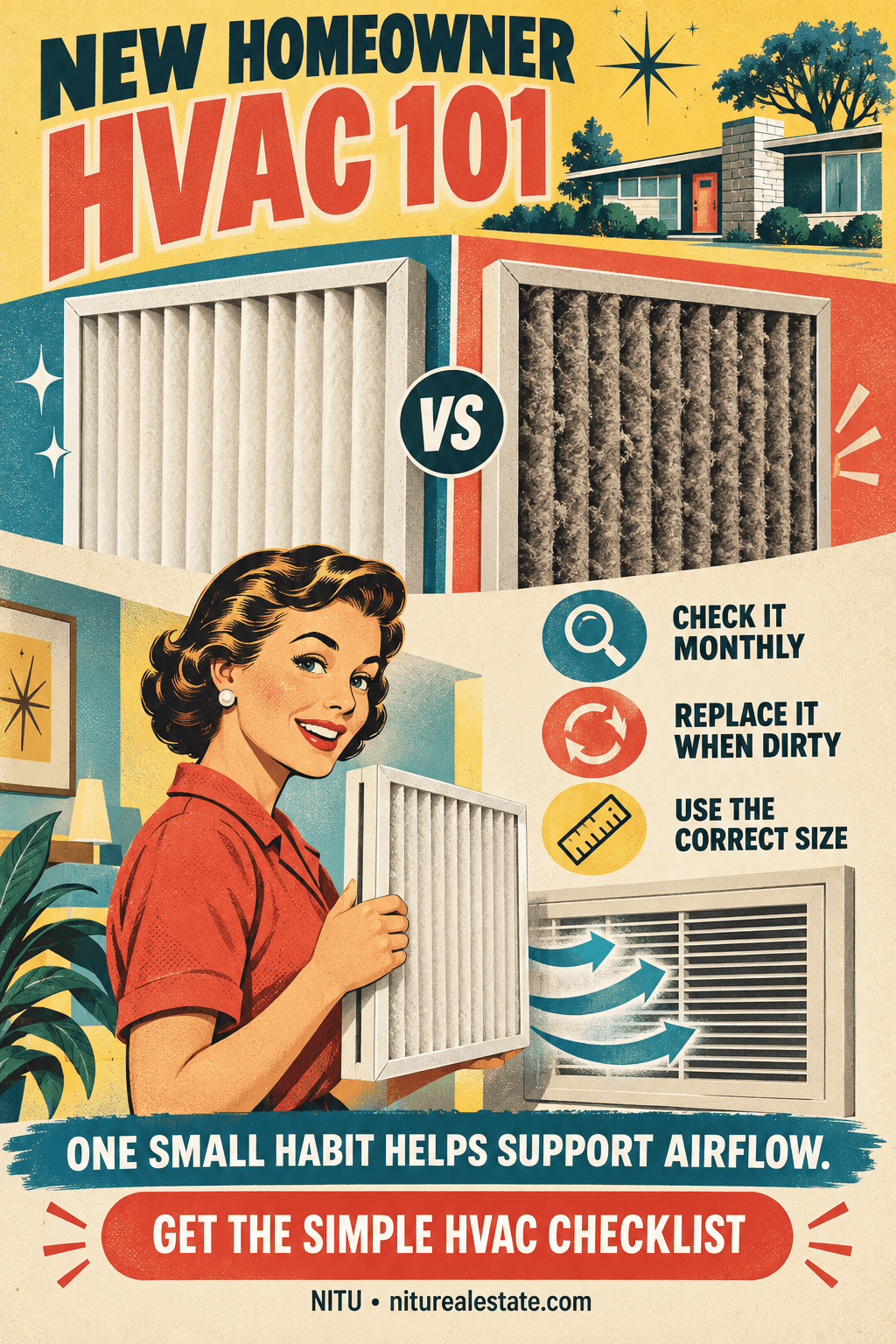
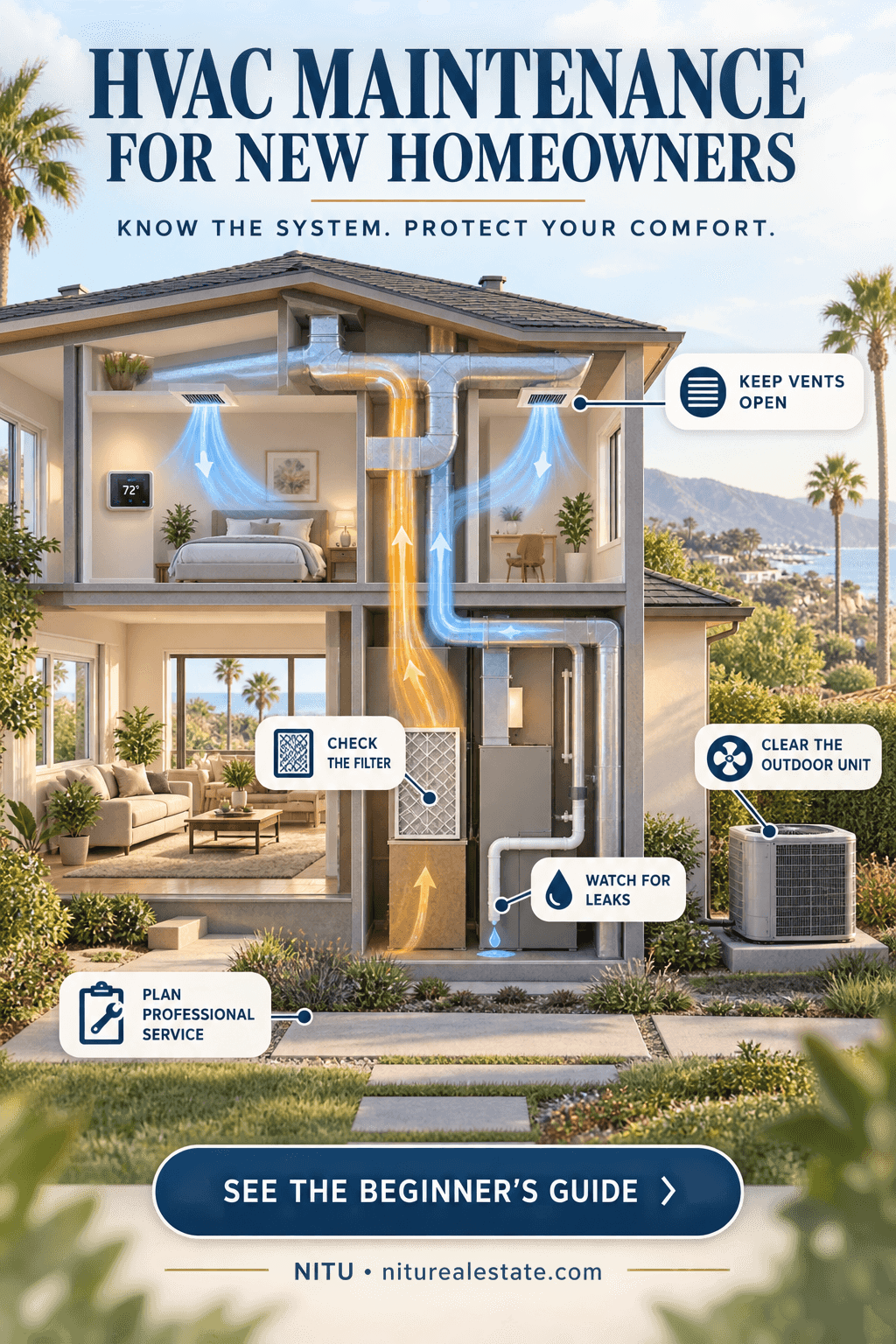
Change the filter monthly during peak season. Most homes benefit from a monthly filter change through the heaviest summer and winter months, less often the rest of the year, depending on pets and local air quality. If you upgrade to a MERV 13 filter for wildfire smoke season, check with a technician first. Most systems handle it fine, but older equipment with a weaker blower can struggle against the denser filter media, and a clogged high-efficiency filter restricts airflow worse than a standard one left in too long.
Get it professionally serviced twice a year, not just when something breaks. The standard recommendation is once at the end of spring, before the system takes on the summer's workload, and once at the end of fall, before heating season starts.
Learn the warning signs before they become an emergency call. Struggling to hold a set temperature, unusual noises, water leaking from the unit, the system running constantly without cycling off, weak or absent airflow, a system that won't turn on at all, an unexplained jump in the electric bill, odd smells from the vents, or frost building up on indoor components are all signs it's time for a professional look, not a wait-and-see approach.
Keep the outdoor unit clear. Leaves, dirt, and anything piled against a condenser unit restrict airflow and make the whole system work harder than it needs to.
Refrigerant that needs "topping off" is a red flag, not routine maintenance. A properly sealed system shouldn't lose refrigerant over time. Needing a refill usually means there's a leak somewhere that needs to be found and fixed, not just refilled again next year.
Repair It or Replace It
Not every HVAC issue that shows up in year one or two needs an immediate, expensive fix, and not every strange noise is nothing. We've laid out a framework for telling the difference between what genuinely can't wait and what can across a first-year home more broadly, HVAC included, in the repair that can't wait vs. the ones that can. And if HVAC condition is something you're still trying to size up before you even close, it's one of the systems covered in a standard general inspection, which we walk through in home inspection checklist for California buyers.
Weighing It Honestly
None of this makes owning a home in a warming California cheap or simple. A portable unit gets you through this week. A mini-split is a real investment that pays for itself slowly, rebate or no rebate. Either way, the maintenance itself costs almost nothing compared to what a neglected system eventually costs to replace, and it's the one part of this entire picture that's fully within a homeowner's control starting the day the filter gets its first look. We've built out the fuller seasonal rhythm, HVAC and everything else a house needs across the year, in the home maintenance calendar every first-time owner wishes they'd had sooner.
Quick Check: HVAC in California
Q1. According to the article, roughly what share of Bay Area households have no air conditioning at all?
(a) About 53 percent
(b) About 15 percent
(c) About 80 percent
A
Just over half of Bay Area households, including San Francisco, Oakland, and Berkeley, have no air conditioning at all.
Q2. What's the main advantage of a ductless mini-split over a portable AC unit?
(a) It requires no professional installation
(b) It's cheaper to buy upfront
(c) It uses roughly 58 percent less electricity to run
C
A ductless mini-split's core advantage is efficiency: it uses roughly 58 percent less electricity than a portable AC unit, even though it costs far more to install upfront.
Q3. (T/F) California's TECH Clean California heat pump incentives are currently unlimited and available to every homeowner who applies.
F — TECH Clean California's single-family heat pump incentives, along with the related HEEHRA rebates, are currently fully or nearly reserved statewide, with waitlists in some regions, not open and unlimited.
Q4. What MERV rating does the EPA recommend for HVAC filters during wildfire smoke events?
(a) MERV 8 (b) MERV 13 or higher (c) MERV 20
(b) MERV 13 or higher
(c) MERV 20
B
The EPA recommends MERV 13 or higher during wildfire smoke events, since it captures the fine particulate matter a standard filter lets through.
Q5. How often do most HVAC professionals recommend a routine tune-up?
(a) Once every five years
(b) Only after the system breaks down
(c) Twice a year, in spring and fall
C
Most HVAC professionals recommend a tune-up twice a year, once at the end of spring and once at the end of fall.
Q6. Which of these is a genuine warning sign when upgrading to a higher-MERV filter on an older HVAC system?
(a) A low-static blower struggling with the denser filter media and restricting airflow
(b) The filter changing color over time
(c) The thermostat screen dimming slightly
A
Older equipment with a low-static blower can struggle against the denser media in a higher-MERV filter, restricting airflow rather than just filtering better.
About the author: I'm a licensed real estate agent practicing in California. This article is part of NITU Path, Chapter 5, a series written to walk buyers through their entire homeownership journey.
This article is for general informational and educational purposes only and is not HVAC, electrical, or financial advice. Equipment costs, electricity rates, and rebate availability change often and vary by utility territory and household. Confirm current pricing, filter compatibility, and rebate status with a licensed HVAC contractor before making decisions.
Sources:
Back to Magazine